
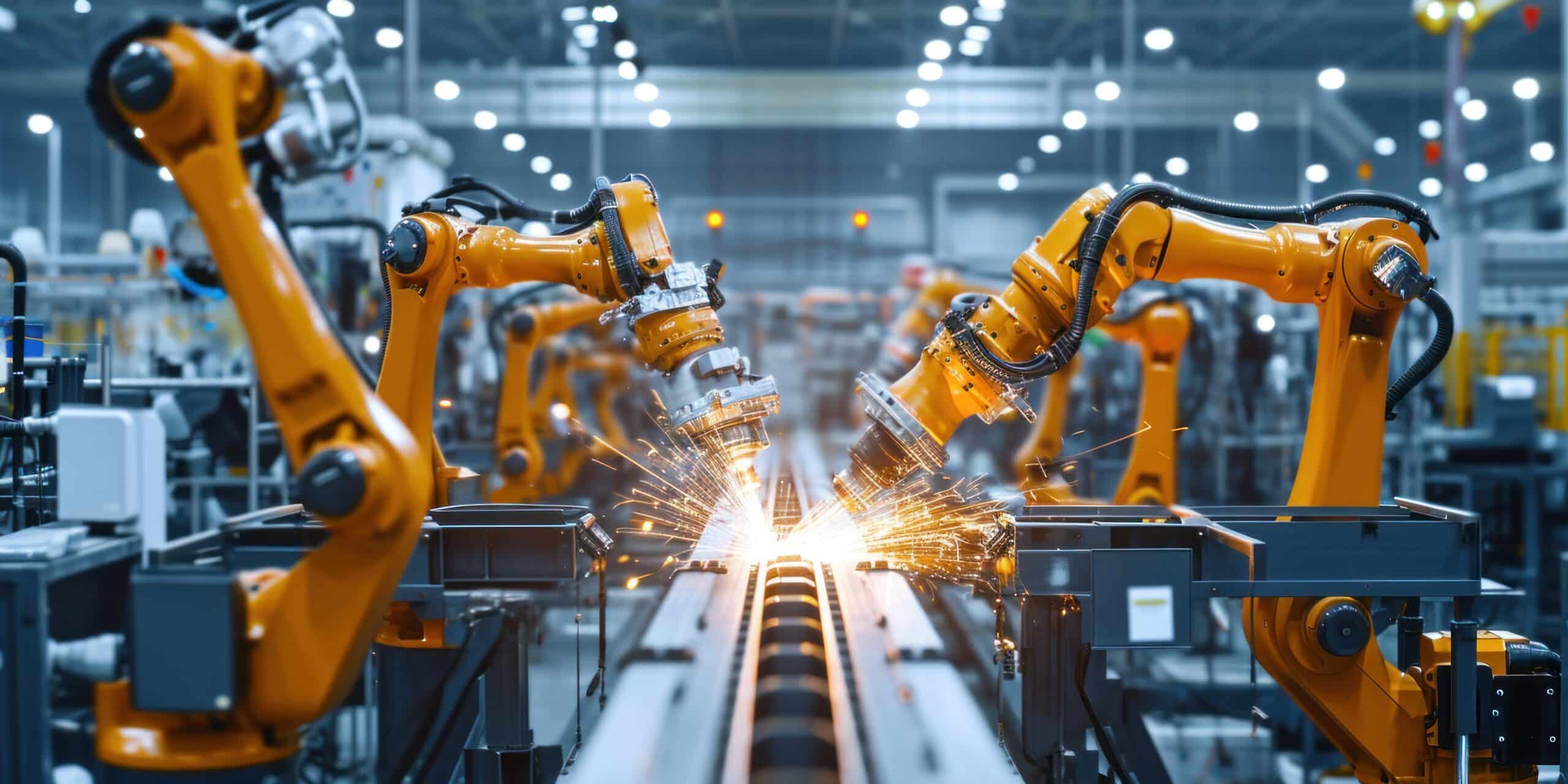

Automation is becoming one of the most important developments in modern fastener manufacturing. As customers demand better quality, shorter delivery times and competitive prices, manufacturers are increasingly turning to automated production and inspection technologies.
Fastener production involves several stages, including wire preparation, cold forging, thread rolling, heat treatment, surface finishing, sorting, inspection and packaging. Automation can improve consistency across many of these processes.
Automated inspection is particularly valuable. Vision-based systems can inspect fasteners for dimensional variations, surface defects and other quality issues at high speed. This can reduce dependence on manual inspection and improve consistency.
Artificial intelligence can further enhance manufacturing systems by analyzing production data. AI-based systems may help identify patterns associated with machine performance, defects or production inefficiencies.
Predictive maintenance is another potential application. By monitoring machine data, manufacturers can identify unusual operating patterns and schedule maintenance before equipment failures cause significant downtime.
Digital traceability is also becoming increasingly important. Modern manufacturing systems can connect production records, material information, inspection results and order details, creating a more transparent production history.
Automation does not eliminate the need for skilled employees. Instead, it changes the nature of manufacturing work. Engineers, technicians and operators increasingly need skills in machine operation, process control, data analysis and quality management.
For Indian fastener manufacturers, investment in automation can provide an opportunity to improve productivity and compete in international markets. However, technology should be introduced strategically, based on production volumes, product complexity and customer requirements.
The future fastener factory is likely to combine skilled engineering teams with automated machinery, digital monitoring and intelligent quality-control systems. Companies that begin this transition early can build important competitive advantages.
Comments are closed.